Practical Guide to Organizing Regional Festivals
Organizing a regional festival can be an enriching experience that fosters community spirit and cultural appreciation. This guide outlines key steps to effectively plan and execute a successful festival, supported by industry best practices and expert recommendations.
Understanding the Basics
Before diving into the nitty-gritty of festival planning, it's essential to grasp the key components that contribute to a successful event. According to research by the National Association of Festivals, festivals that engage the community often see increased attendance and participation. This is largely due to the collective ownership that local communities feel towards their events.
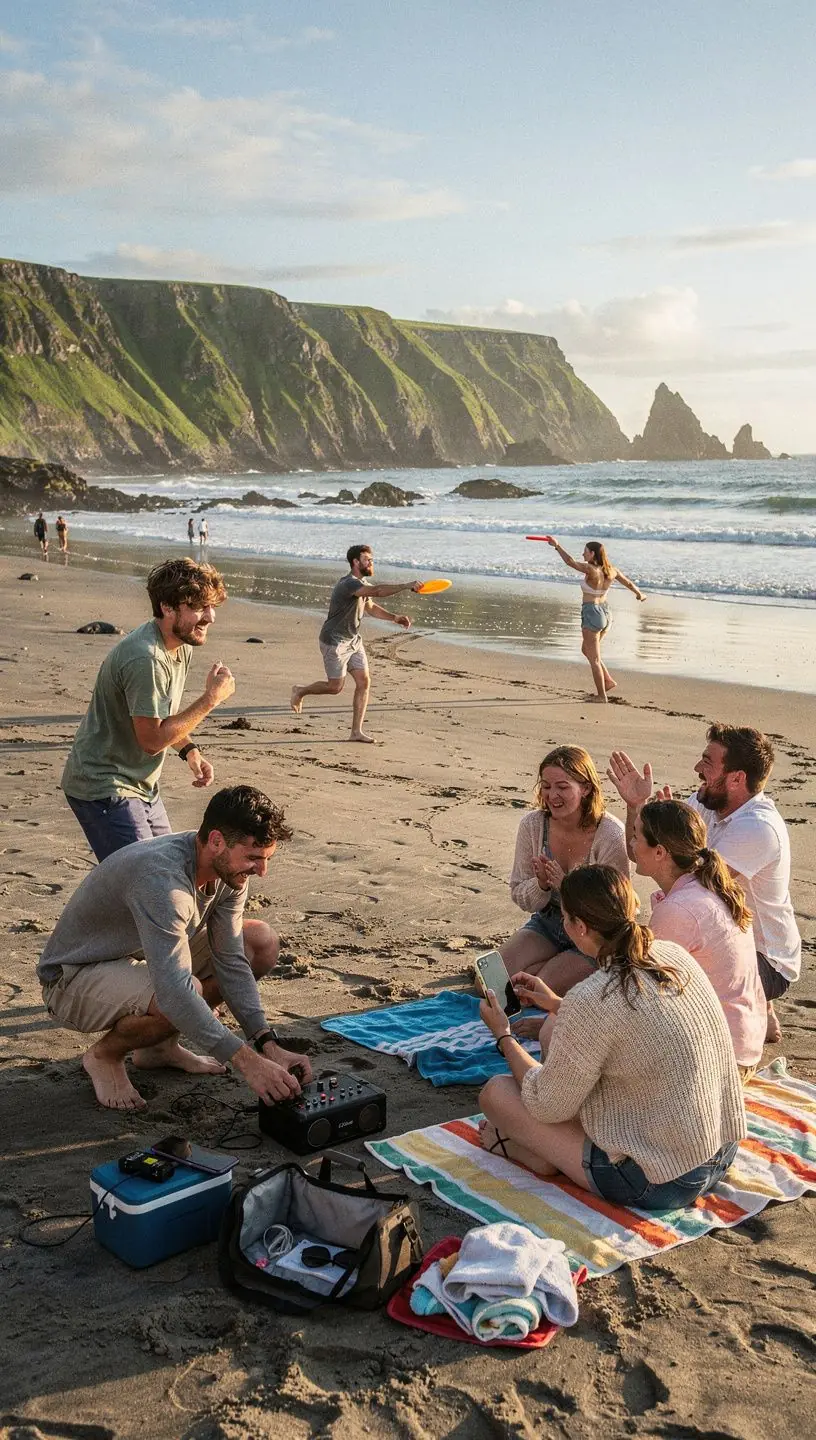
"Community engagement is pivotal; successful festivals foster local pride and collaboration."
Step-by-Step Planning Process
Here’s a detailed look at how to organize a regional festival effectively:
- Define Your Festival Theme: Begin by establishing a clear theme that resonates with your audience. Experts suggest choosing a theme that reflects local culture or seasonal celebrations, as it typically garners greater interest.
- Set a Budget: Create a comprehensive budget that accounts for venue rental, permits, entertainment, marketing, and unforeseen expenses. Industry standards indicate that festivals often require 6-12 months of planning and fundraising to secure necessary funds.
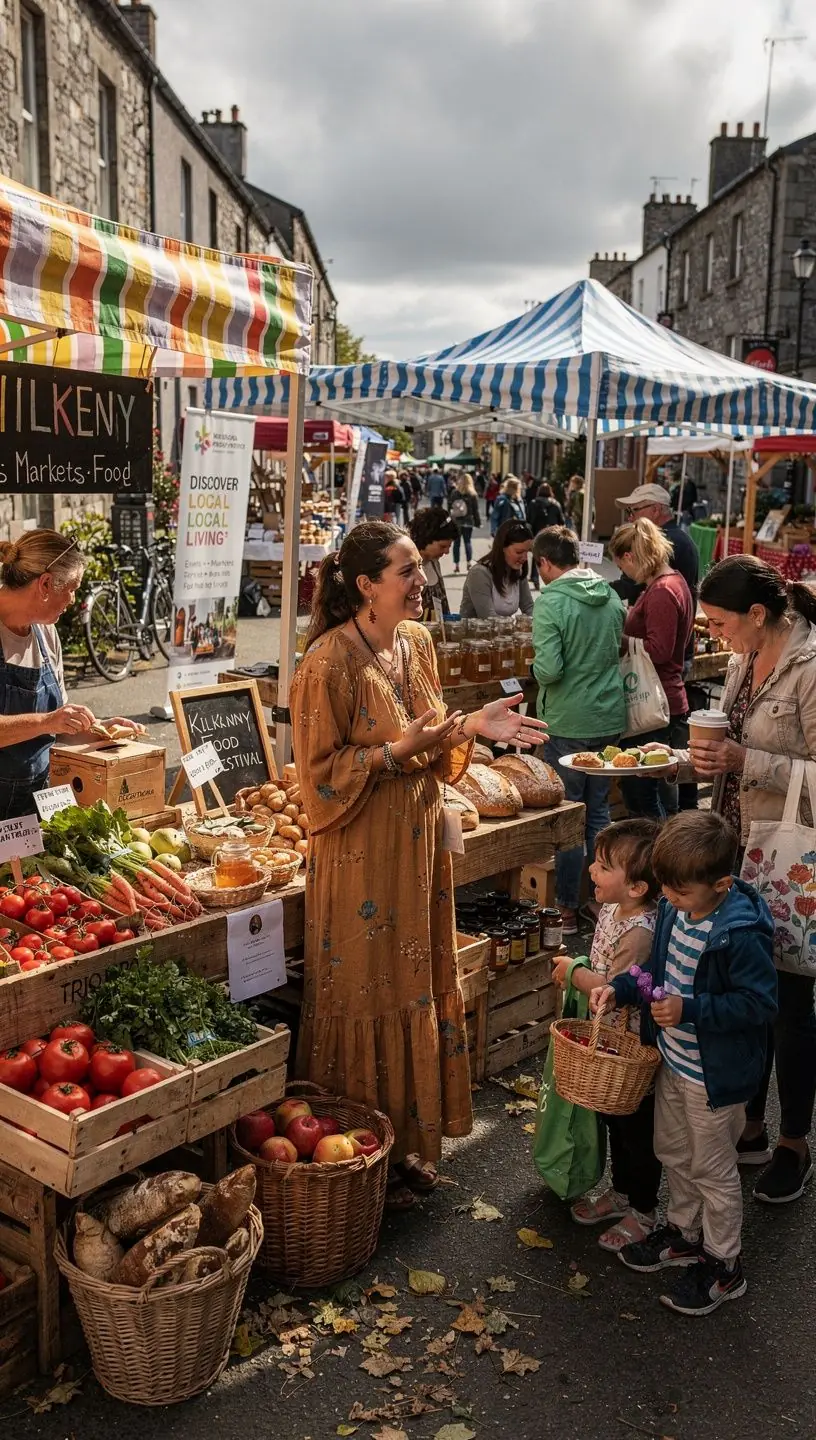
- Engage Local Partners: Collaborate with local businesses, artists, and community organizations. This not only helps in resource sharing but also enhances community outreach. Many users report that local partnerships can significantly increase festival visibility and attendance.
- Secure Necessary Permits: Research and obtain the required permits to ensure compliance with local regulations. This process may take several weeks, so starting early is crucial.
Marketing Your Festival
An effective marketing strategy is essential for drawing attendees. Research indicates that a multi-channel approach—utilizing social media, local newspapers, and community bulletin boards—can significantly improve outreach efforts. Consider these tactics:
- Social Media Campaigns: Create engaging content that highlights festival activities and performers. Use targeted ads to reach specific demographics interested in cultural events.
- Engage Influencers: Partnering with local influencers can amplify your reach. Many experts recommend collaborating with individuals who have a genuine interest or connection to your festival's theme.
- Early Bird Ticket Sales: Offering discounted tickets for early purchases can incentivize commitment and help gauge initial interest levels.
Day-of Execution Tips
As the festival day approaches, meticulous organization is key to a smooth experience. Experts recommend the following:
- Staff Training: Ensure all staff and volunteers are well-trained and briefed on their roles and responsibilities. This typically includes emergency protocols, customer service expectations, and site navigation.
- Logistics Management: Prepare for visitor flow by designing clear pathways and signage. It’s beneficial to conduct a walk-through of the venue to identify potential bottlenecks.
- Feedback Mechanism: Consider implementing a feedback system, such as surveys or comment boxes, to gather insights from attendees. This information is invaluable for improving future events.
Conclusion
Organizing a regional festival is a formidable yet rewarding endeavor. By understanding the foundational elements, planning meticulously, and engaging your community, you can create an event that resonates and thrives. Remember, success often lies in realistic expectations and a willingness to adapt based on feedback and experiences. With dedication and creativity, your festival can become a cherished annual tradition.
Learn More