Practical Approaches to Preserving Regional Traditions
As Ireland embraces globalization, preserving regional traditions becomes increasingly vital for cultural identity. This article explores practical ways communities can safeguard their heritage while adapting to modern influences.
Understanding the Importance of Regional Traditions
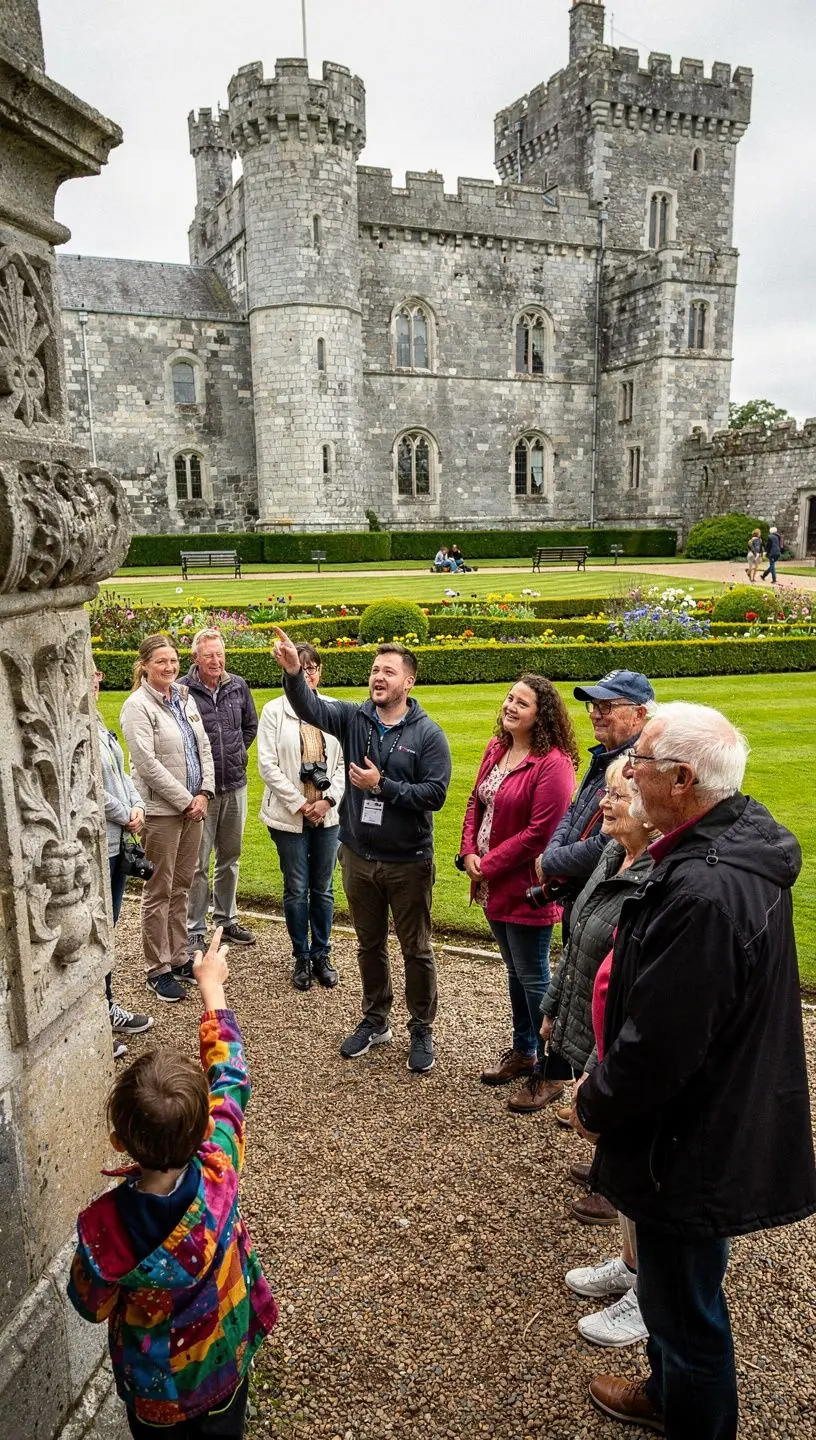
Regional traditions often serve as a reflection of a community's history, values, and identity. According to the National Museum of Ireland, these cultural practices enrich our understanding of local heritage and foster a sense of belonging among residents. By actively engaging in the preservation of these traditions, communities can enhance social cohesion and promote cultural tourism.
"Heritage is not just a relic of the past; it is the foundation upon which we build our future." - Cultural Expert
Effective Strategies for Preservation
Preserving regional traditions typically requires a coordinated effort among community members, local authorities, and cultural organizations. Here are some practical strategies:
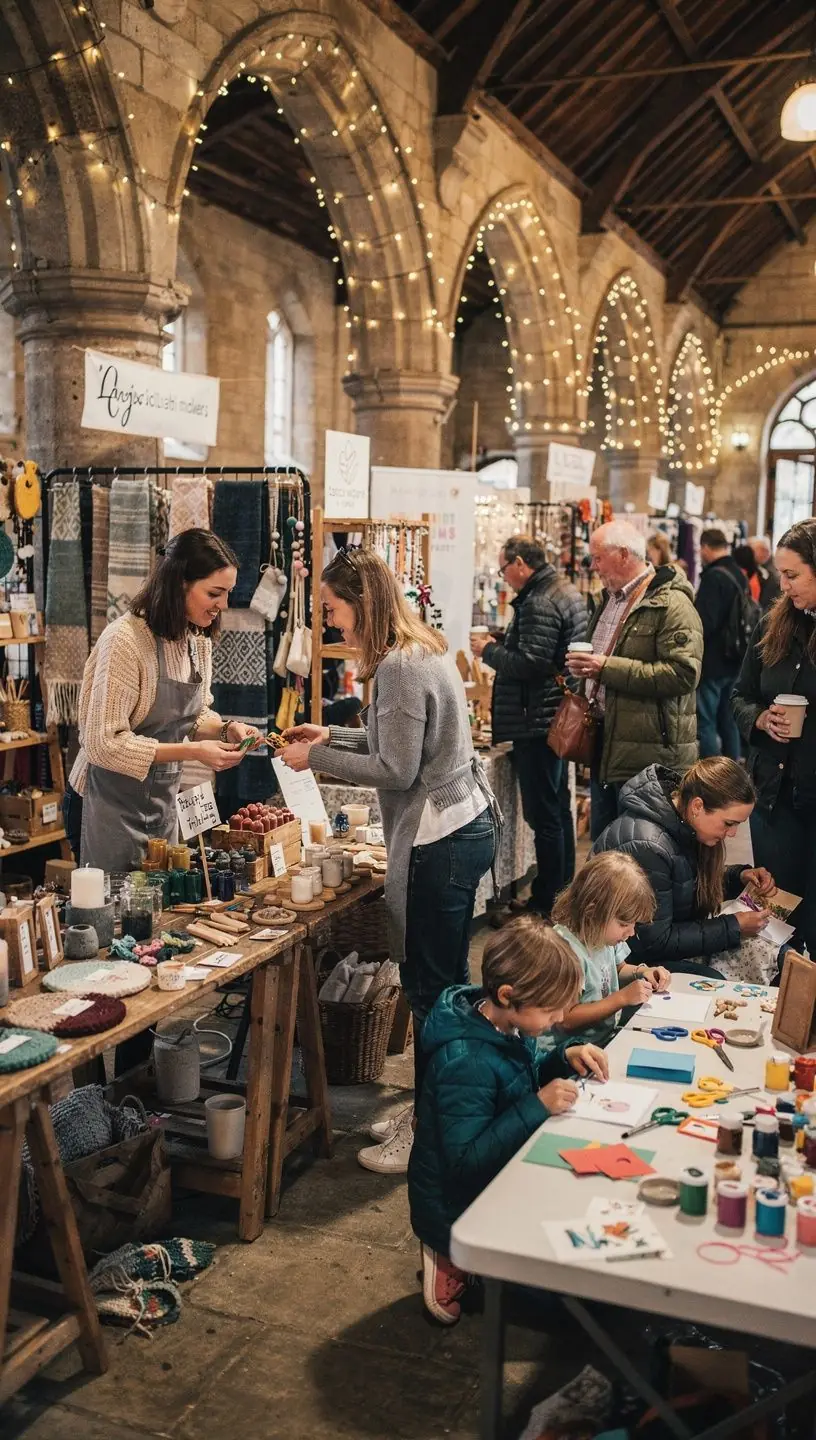
- Community Workshops: Hosting workshops that teach traditional crafts, music, and storytelling can help younger generations connect with their heritage. Research indicates that hands-on learning experiences can improve cultural appreciation by 30% in youth.
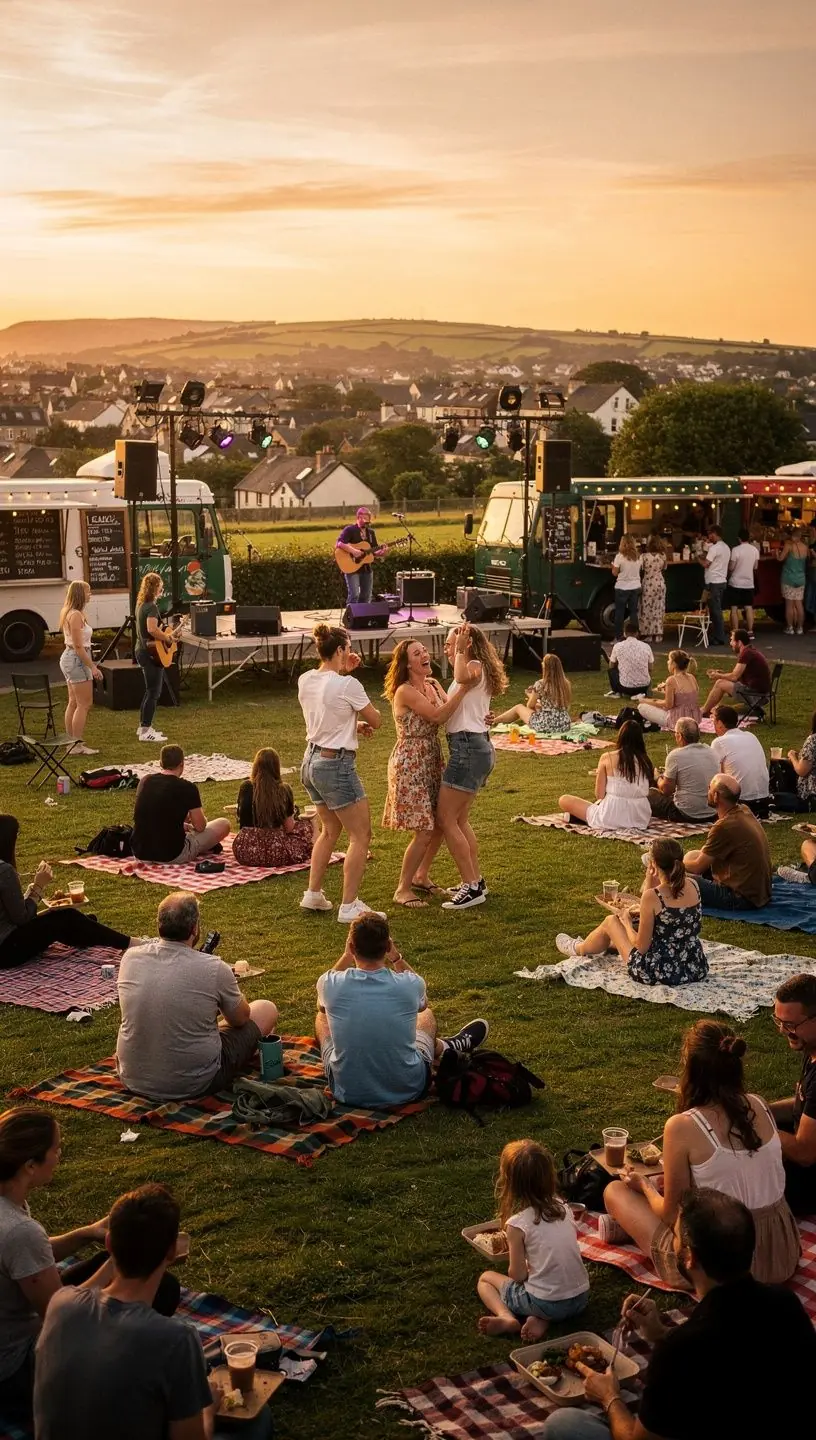
- Local Festivals: Organizing annual festivals that celebrate regional culture encourages participation and fosters pride. Many experts recommend integrating traditional performances and exhibits to attract both locals and tourists, thereby benefiting the local economy.
- Documentation and Storytelling: Encouraging community members to document their personal stories and experiences helps create a living archive of regional traditions. The Heritage Council of Ireland suggests that this practice can strengthen communal ties and engage younger audiences.
How to Engage the Community
Building community involvement is crucial for sustaining traditions. Here are ways to foster engagement:
- Utilize Social Media: Leverage platforms to share stories, photos, and videos of traditional events. This not only raises awareness but also attracts younger individuals who are typically more active online.
- Collaborate with Schools: Partner with educational institutions to incorporate local history into the curriculum. This approach often lays the groundwork for lifelong appreciation of cultural heritage among students.
- Involve Local Leaders: Engaging local leaders can help promote events and initiatives. Research suggests that community leaders who advocate for cultural preservation can significantly increase participation rates.
Challenges and Considerations
While these approaches can be effective, it is essential to acknowledge the challenges involved. Preservation efforts often require substantial time and resources, which may not always be available. Furthermore, success is typically contingent upon community buy-in and participation, which can vary widely.
Experts recommend that initiatives be flexible and adaptable to accommodate varying levels of interest and involvement. In many cases, starting small and gradually expanding can be a more sustainable approach.
Conclusion
In summary, preserving regional traditions is a collaborative effort that can strengthen community identity and foster cultural appreciation. By implementing practical strategies and engaging local members, communities in Ireland can ensure that their rich heritage continues to thrive for generations to come. While challenges may arise, with dedication and creativity, the preservation of these traditions can lead to lasting cultural benefits.
Learn More